
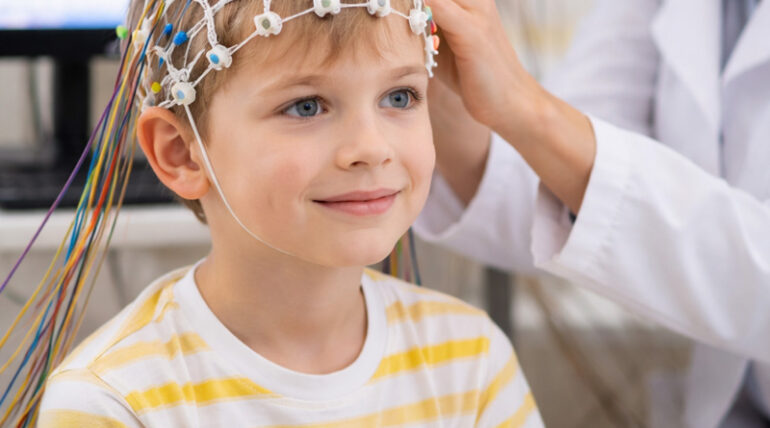
An Electroencephalogram (EEG) is a safe, painless, and non-invasive test used to measure the electrical activity of the brain. It plays a crucial role in diagnosing neurological disorders and monitoring brain health.
What is an EEG Test?
EEG records brain wave patterns using small electrodes placed on the scalp. These electrical signals help doctors understand how the brain is functioning.
Why is EEG Recommended?
Doctors may suggest an EEG test for:
- Epilepsy and seizures
- Unexplained fainting spells
- Frequent headaches
- Sleep disorders
- Brain infections
- Developmental delays in children
How is the Test Performed?
- Electrodes are placed on the scalp.
- The patient is asked to relax.
- Brain activity is recorded for 20–40 minutes.
- In some cases, sleep EEG may be recommended.
Is EEG Safe?
Yes, EEG is completely safe and painless. There is no electricity passed into the brain—only brain activity is recorded.
Conclusion
EEG is a valuable diagnostic tool that helps neurologists detect abnormalities early and begin timely treatment. If you experience recurrent seizures, unexplained confusion, or persistent headaches, consult your doctor about getting an EEG test.

